Unlock the Secrets of Fishing Game Board Game Fun
Fishing Game Board Game: A few days ago, while reviewing industry data, I noticed a fascinating search term – “Fishing Game Board Game”. To be honest, it made me pause for a second. As a veteran who has been around arcade games for over a decade, my first thought was: Could there actually be a physical tabletop game with a fishing theme out there? Was I out of the loop?
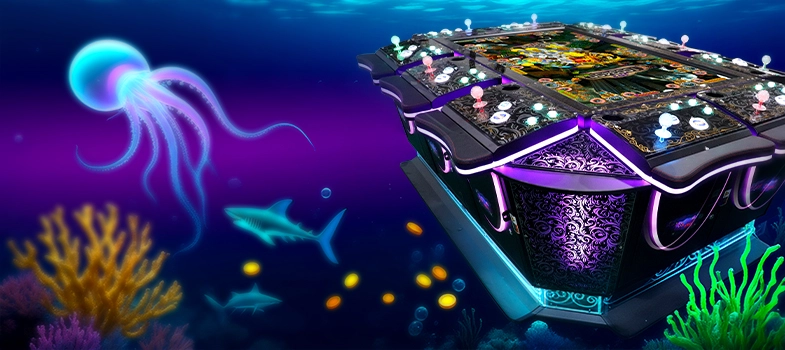
That question stuck with me. But gradually, I started to see it in a different light. Perhaps users searching for this term aren’t solely looking for a set of cards or a board that doesn’t exist. What they might be craving subconsciously is precisely the experience of strategic gameplay within a clear set of rules—and this is the soul of a top-tier arcade fishing game. In other words, the arcade machines we work with every day are, in fact, the most thrilling version of a “Fishing Game Board Game“; we’ve simply digitized the board and brought it to life.
Thinking of it this way opens up a new perspective. Let’s break down this concept.
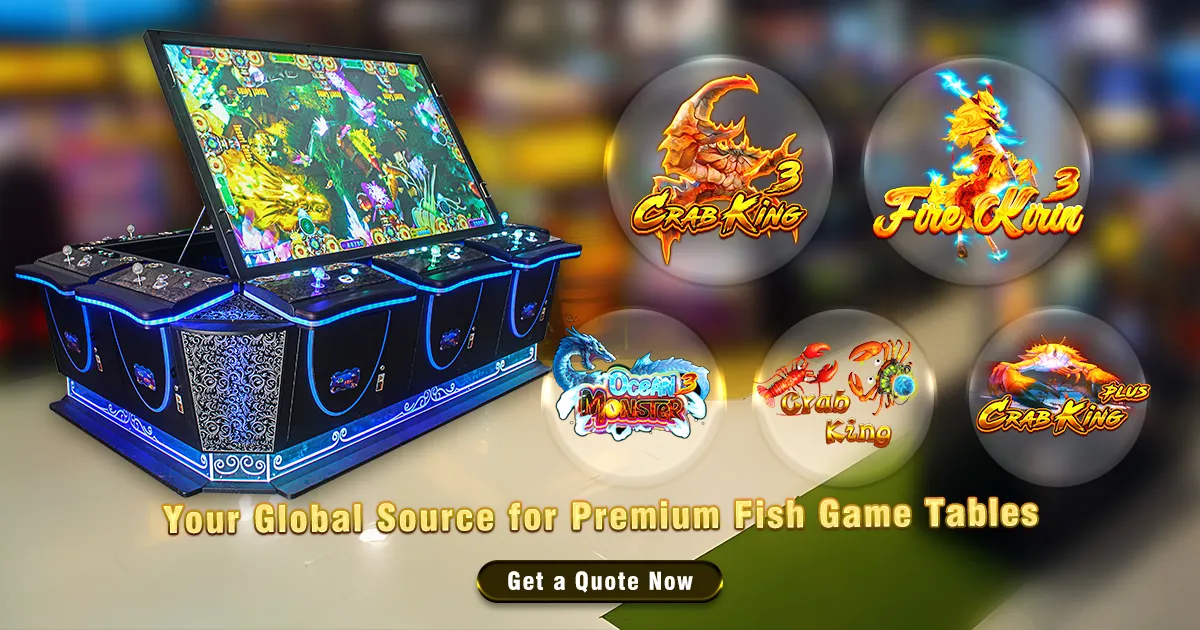
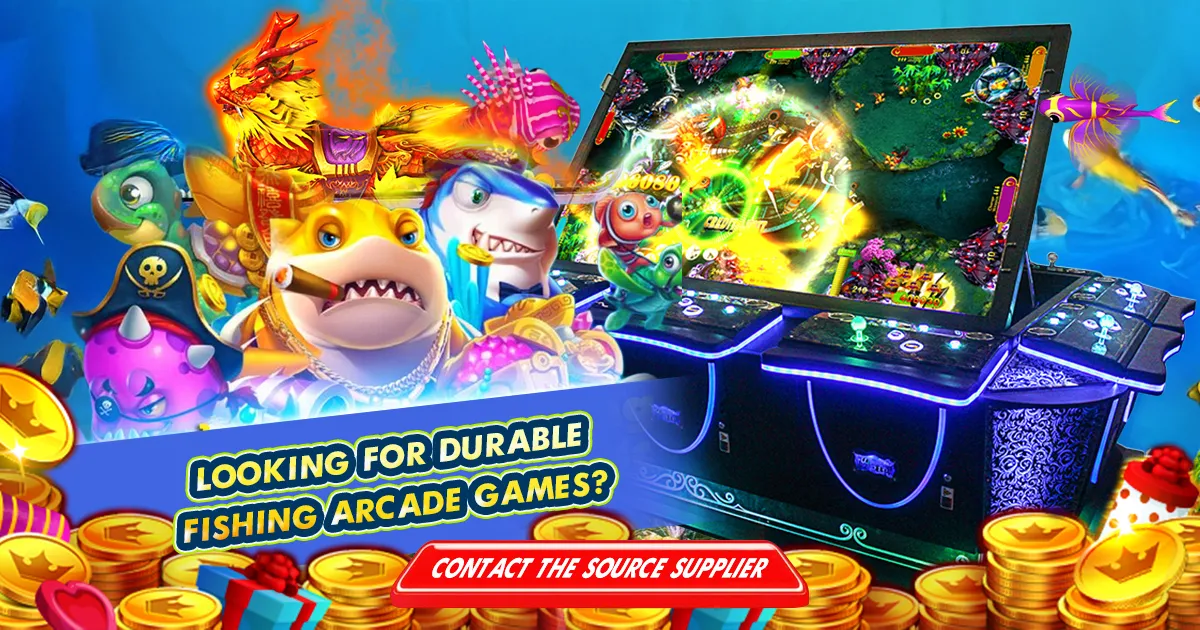
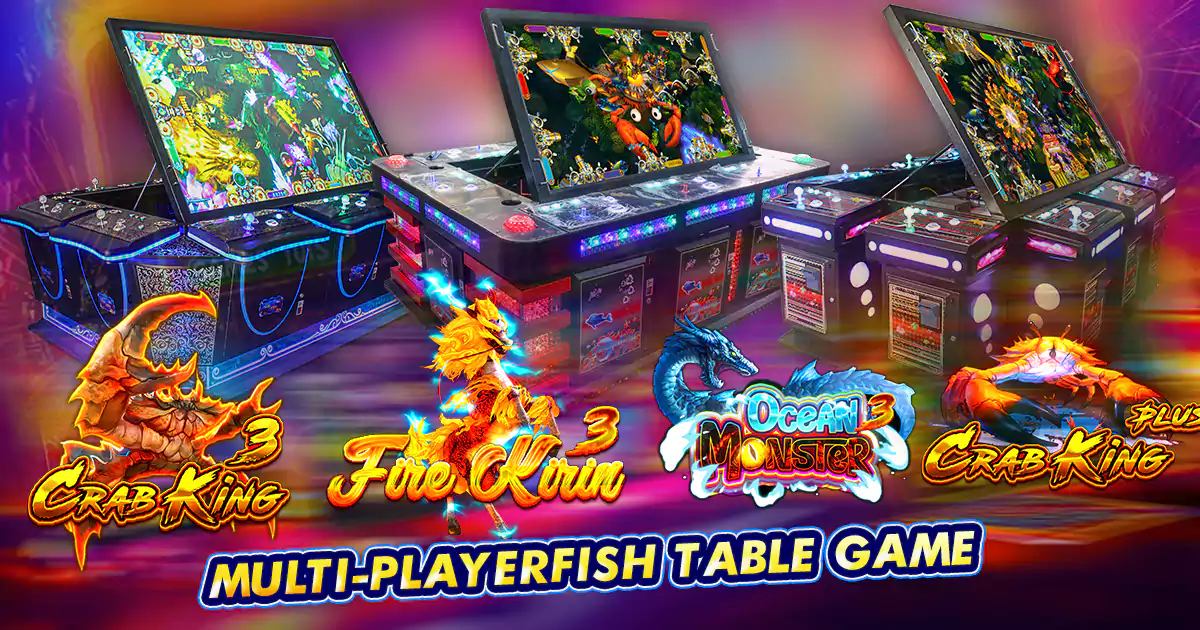
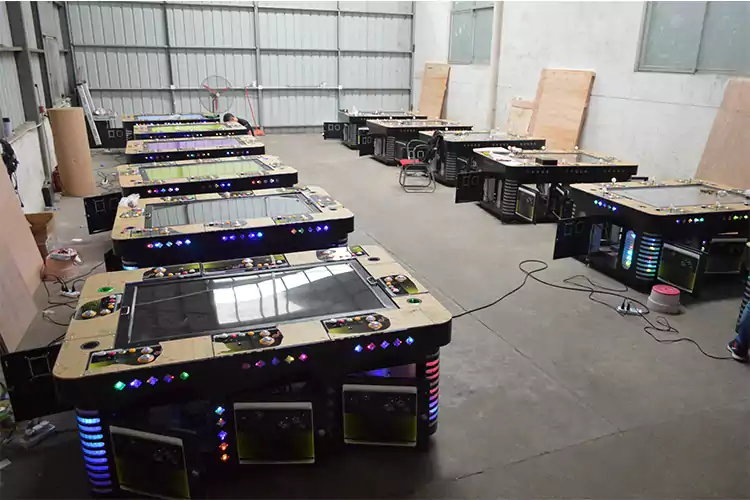
First, what is that large screen? It is our dynamic game board.
In traditional board games, the board is static, with fixed squares and paths. But in our world, this “board” is the ocean, and its “squares” change instantly with the movement of the fish schools. A shark is no longer a stationary wooden piece; it’s a “super piece” that maneuvers and charges. Schools of small fish are the numerous “basic units” with lower value. A player who understands the essence of a “Fishing Game Board Game” is first and foremost someone who can “read the board.” They don’t see isolated fish; they see the entire situation of the game: Is the boss fish leading a school? Is the distribution of small fish blocking my firing lines? This feeling is very similar to a master player surveying the whole board in a chess match.
Second, where does the strategy come from? It stems from resource management and timing, which is the core fun of board games.
I’ve seen too many newcomers start with full firepower, much like a player who uses all their cards in the first round of a board game. In my view, players who truly know how to master this digital “Fishing Game Board Game” are all shrewd resource managers.
My personal habit is to think of the cannon system as the “action points” or “hand of cards” in a board game. Low-denomination cannons are my standard moves, used to maintain the situation and steadily accumulate “score currency.” The high-denomination cannons, however, are the “ace cards” or “spell cards” I hold onto, to be used only at critical moments—for instance, when fish form an ideal “value corridor” (like a scoring gap appearing on the board), or when I need to combine fire with teammates on a high-value target. This thrill of making the right decision at the right time is something games relying purely on luck cannot offer.
Finally, let’s talk about social interaction. All great board games are essentially social catalysts.
Arcade fishing games are no exception. Think about it: in a traditional Fishing Game Board Game (if it existed), friends would gather around a wooden table, communicating, cooperating, or competing face-to-face. In our arcade version, the scene shifts to 2 to 4 people gathered around a single machine, and the atmosphere is just as intense. “Quick! Aim for the dragon’s head!” “You clear the small fish on the left, I’ll take the right!”—This kind of instant communication and strategic coordination, born from sharing the same “digital board,” is a warm, joyful experience that online games cannot replicate.
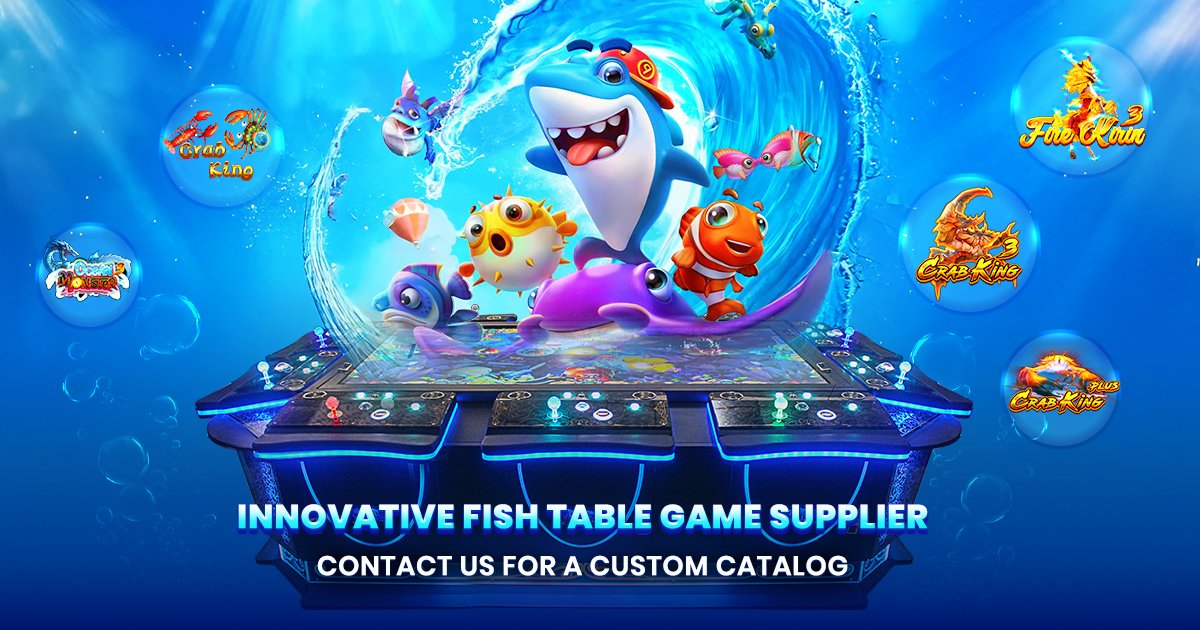
Therefore, when we realize that a Fish Game machine is essentially an advanced digital game board, our criteria for selecting and maintaining the product become fundamentally different. It is no longer just a combination of a screen and buttons. We, as suppliers, pay extreme attention to whether its “board” is clear and smooth (screen quality and refresh rate), whether its “pieces” behave logically and offer challenge (game algorithms and AI), and whether the overall “gameplay” experience is sufficiently enjoyable and fair.
Because what this ultimately determines is not a single high score, but whether players are willing to return to this magical “digital board” again and again to enjoy the pure fun of strategy and planning. And this, perhaps, is the true treasure hidden behind the search term “Fishing Game Board Game”.